
How to Know When a Loved One Might Need a Bit of Support at Home
Knowing when a loved one might need a bit of extra support at home is not always clear-cut. Often, it isn’t one big moment or sudden change — it’s a collection of small things that gradually start to add up. Many families tell us they’re unsure whether they’re worrying too much, or whether they should just “leave things alone”.
If this sounds familiar, you’re not alone.
For most people, the idea of care feels like a big step. It can come with guilt, worry, and a fear of taking away someone’s independence. In reality, support at home is often about protecting independence, not removing it.
It’s Often the Small Changes That Matter
Usually, it’s not something dramatic that raises concern. It’s little changes that feel out of character or start to repeat.
You might notice things like:
- Tasks taking longer or being quietly avoided
- A home not being kept the way it once was
- Meals being skipped or becoming very repetitive
- A loved one seeming more tired, unsteady, or anxious
- Fewer trips out or less contact with others
On their own, these things might not feel worrying. But together, they can suggest that everyday life is becoming harder work than it used to be.
“They’ve Always Managed” — Until They Don’t
One of the hardest parts for families is knowing that someone has always been fiercely independent.
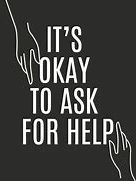
Many older people don’t want to ask for help, even when things are becoming difficult. They may worry about being a burden, or simply feel that they should be able to cope.
This doesn’t mean they don’t need support — it often means they don’t want to admit it yet.
Sometimes, the most helpful thing isn’t stepping in all at once, but gently acknowledging that a bit of help might make life easier.
Support Doesn’t Have to Mean “Care” in the Way People Imagine
A common misunderstanding is that support at home has to be all-or-nothing. In reality, it can be very flexible and very small.
Support might look like:
- Help with shopping or appointments
- Someone popping in for reassurance
- A bit of help with washing or dressing while confidence rebuilds
- Companionship and conversation
- Short-term support after an illness, fall or hospital stay
For many people, knowing someone is there — even briefly — makes a huge difference.
It’s Okay to Think About It Early
There’s no rule that says you must wait until things reach a crisis point. In fact, thinking about support early often means people stay independent for longer.
Having conversations early, exploring options, or even just talking things through doesn’t commit anyone to anything. It simply gives you information and reassurance.
You don’t have to make decisions straight away.
Every Situation Is Different
What’s right for one person won’t be right for another. Some people need support for a short period, others for longer. Some want practical help, others value companionship most.
The most important thing is that support fits around the individual — their routines, preferences and wishes — rather than forcing them to adapt to a system.
We’re Here to Talk Things Through
If you’re starting to notice small changes in someone you love, or you’re simply wondering whether a bit of support might help, we’re always happy to talk.
There’s no pressure, no obligation, and no expectation that you have all the answers.
Sometimes a conversation is just a conversation — and that’s often the best place to start.
What matters most is that people feel safe, listened to and supported, in a way that feels right for them.